
Meta description: Sultanahmet Mosque (Blue Mosque) — history, architecture, visiting tips, opening hours, accessibility, and nearby attractions for first-time visitors to Istanbul’s Historic Peninsula.
Introduction to Sultanahmet Mosque
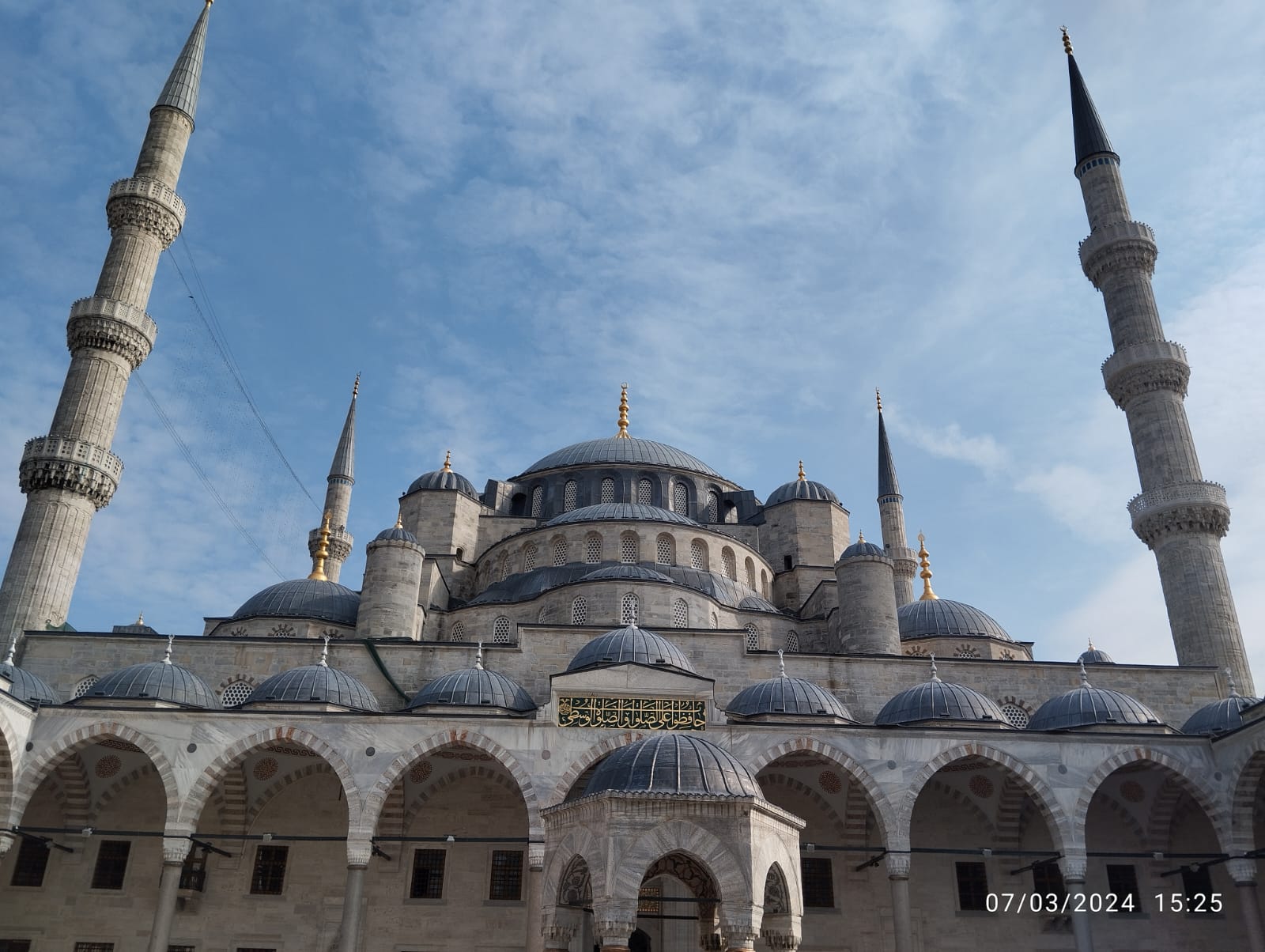
Sultanahmet Mosque, internationally known as the Blue Mosque, is one of Istanbul’s most iconic landmarks and a masterpiece of classical Ottoman architecture. Located in the heart of the Sultanahmet district, it faces Hagia Sophia and anchors the Historic Peninsula’s skyline with its cascading domes and six minarets.
Constructed between 1609 and 1616 under Sultan Ahmed I, the mosque remains an active place of worship while welcoming millions of visitors annually. Its interior is famed for thousands of hand-painted İznik tiles, intricate calligraphy, and a serene prayer hall illuminated by natural light.
History and Historical Context
The Blue Mosque was commissioned as both a sultanic mosque and a statement of imperial power, built on the site of the former Hippodrome and close to the Byzantine and Ottoman administrative centers. Its construction marked the culmination of Ottoman mosque design, blending functional religious space with monumental urban presence.
Over the centuries the mosque has witnessed imperial ceremonies, public gatherings, and the transformation of Istanbul from an imperial capital to a modern metropolis. Conservation efforts continue to preserve its tiles, domes, and structural integrity for future generations.
Architectural Beauty and Design
The mosque’s silhouette is defined by a central dome flanked by semi-domes and supported by massive piers known as “elephant feet.” The exterior is balanced by six minarets, an unusual feature that once sparked controversy for its perceived parity with Mecca’s Grand Mosque.
Inside, more than 20,000 İznik tiles in blue and turquoise tones create the mosque’s signature palette. Over 260 stained-glass windows and strategically placed openings allow soft daylight to animate the interior, while Quranic inscriptions and Ottoman calligraphy frame the space.
Key Architectural Features
- Central dome and cascading semi-domes
- Six minarets and large courtyard (sahn)
- İznik tile panels and ornate calligraphy
- Large prayer hall with carpeted floors and mihrab
Spiritual and Cultural Significance
As an active mosque, Sultanahmet hosts five daily prayers and special services during Ramadan and religious holidays. Visitors are welcome outside prayer times and are asked to observe respectful behavior, modest dress, and silence during worship.
The mosque also functions as a cultural landmark: guided tours, educational programs, and conservation projects help visitors understand Ottoman religious life and architectural traditions.
Practical Visiting Information
Admission: Free to enter; donations accepted for maintenance and restoration.
Best times to visit: Early morning (shortly after opening) or late afternoon to avoid peak tourist crowds and to capture the best natural light for photography.
- Opening hours: Vary seasonally; check local notices or official sources before visiting.
- Prayer times: Closed to tourists during the five daily prayers; plan visits around these times.
- Dress code: Modest clothing required; women should bring a headscarf (often provided at the entrance).
- Accessibility: Main courtyard and entrance are accessible; interior access may be limited for wheelchair users—contact local authorities for current accessibility services.
Tips: Leave shoes at the designated area, carry a small bag for valuables, and be prepared for security checks at the entrance.
Nearby Attractions and Suggested Itinerary
Sultanahmet Mosque sits at the center of a compact cluster of world-class sites. A half-day or full-day itinerary can include:
- Hagia Sophia — directly opposite; Byzantine masterpiece and museum complex.
- Topkapi Palace — imperial residence with treasury and harem exhibits.
- Basilica Cistern — atmospheric underground water reservoir.
- Hippodrome — open square with the Obelisk of Theodosius and Serpent Column.
- Archaeological Museums — rich collections of artifacts from across Anatolia and beyond.
Combine walking routes to minimize backtracking; many attractions are within a 5–15 minute walk of the mosque.
Photography and Visitor Etiquette
Photography is generally allowed outside and in many interior areas, but avoid flash and respect worshippers. During prayer times, refrain from photographing people engaged in worship. Use a wide-angle lens for interior shots and aim for early morning or golden hour for exterior photos.
Conservation and Restoration
Ongoing conservation projects focus on tile restoration, structural reinforcement, and climate control to protect delicate interiors. Visitors can support preservation through donations or by following site rules that minimize wear and tear.
Frequently Asked Questions
- Is the Blue Mosque free to enter? Yes, admission is free.
- When is it closed to tourists? During the five daily prayers and special religious services.
- Are guided tours available? Yes, local guides and audio tours are commonly available; check for licensed guides at the site.
- Can non-Muslims enter? Yes, outside prayer times.
Conclusion
Sultanahmet Mosque is a living monument where faith, art, and history converge. Whether you come for architecture, spirituality, or photography, the Blue Mosque offers a profound and memorable experience at the heart of Istanbul’s Historic Peninsula.
For more detailed travel planning, maps, and nearby restaurant recommendations, see our full Sultanahmet Travel Guide.